
Driving the Italian Alps in Style: A UK Traveller's 2026 Guide to Hiring a Bentley or Supercar in Turin
Driving the Italian Alps in Style: A UK Traveller's 2026 Guide to Hiring a Bentley or Supercar in Turin
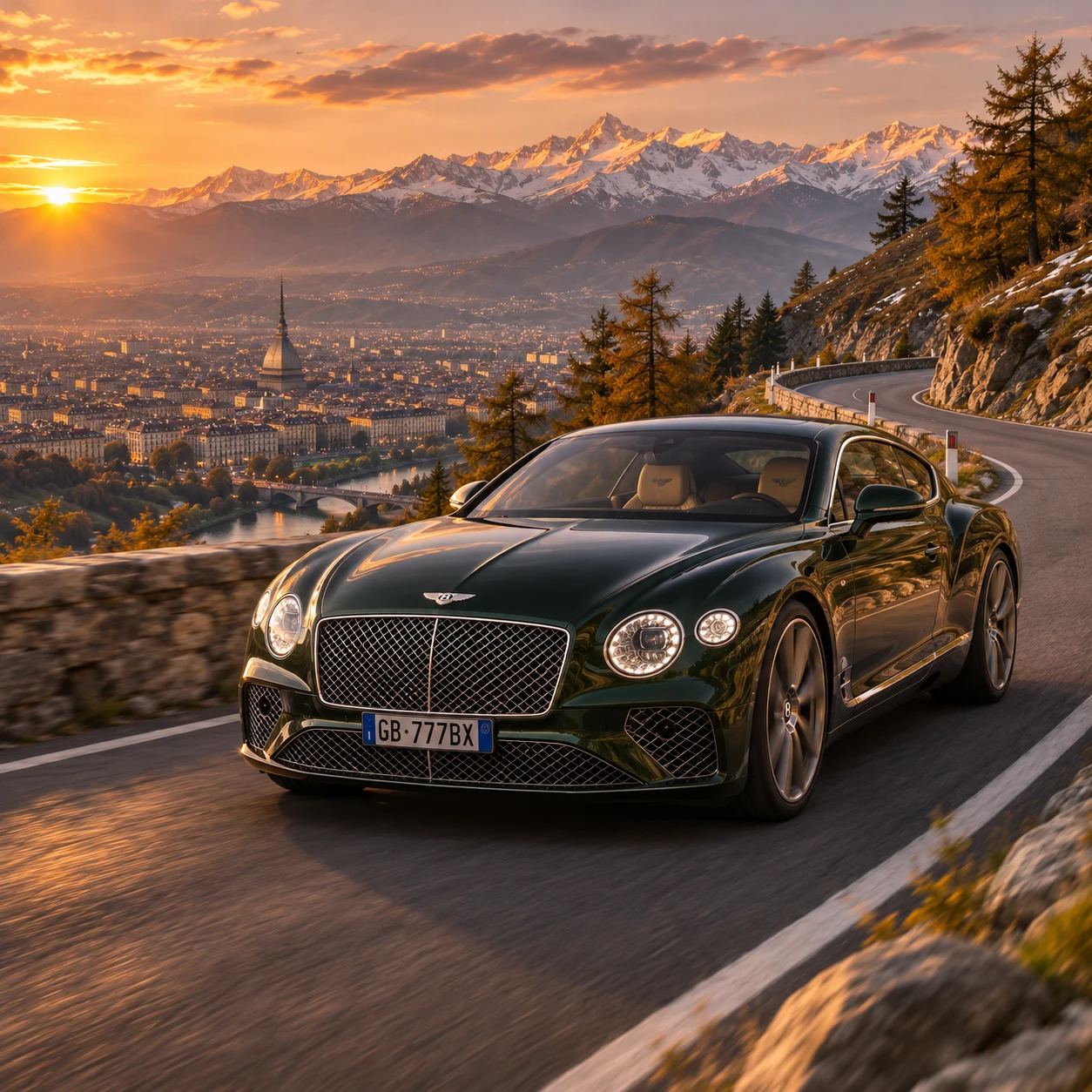
You land at Turin Caselle on a Friday afternoon. By four o'clock there's a set of keys in your hand and a wall of blue-grey mountains sitting along the northern horizon.
That's the whole appeal of Turin as an Alpine launchpad. Direct flights from Gatwick, Stansted, Manchester and Edinburgh get you in before lunch. The airport sits on the edge of the city rather than an hour outside it, and the first proper pass is closer than most people's commute home.
Which leaves one real question, and it's the one this guide exists to settle: what do you want those keys to belong to? The effortless, unbothered waft of a Bentley Continental GT. Or the noise and theatre of something mid-engined with the engine right behind your ears. That decision shapes the route, the luggage, the fuel stops and, honestly, your mood by Sunday evening.
What follows is written for 2026 conditions specifically. Which roads are quickest. What the toll and vignette situation looks like now. And the paperwork most UK drivers get wrong at the rental desk.
Why Turin Beats the Obvious Alpine Gateways
Geneva and Zurich are lovely — right up until you see the flight prices and the queue at the rental village. Munich is a four-hour drive from anything worth calling an Alpine hairpin. Turin undercuts the lot of them on both counts, and the road network does the rest.
Two corridors matter. The A32 runs north up the Susa valley towards Bardonecchia and the Fréjus tunnel. The SS25 does the same job at a slower, prettier pace through Avigliana and Susa itself.
Those two are your arteries, and everything in this article hangs off them.
Three practical notes for 2026. The Fréjus tunnel is still the fast way into France if you're heading for Modane or Val Thorens. Swiss motorway vignettes are digital now, bought online against your number plate, so no more scraping stickers off the windscreen. And Turin's centro storico is riddled with ZTL camera zones — try an instinct-driven evening drive to your hotel on the first night and you'll almost certainly earn a fine that lands at your UK address around three months later. Not the souvenir anyone wants.
Picking the Right Car for the Road You're Actually Driving
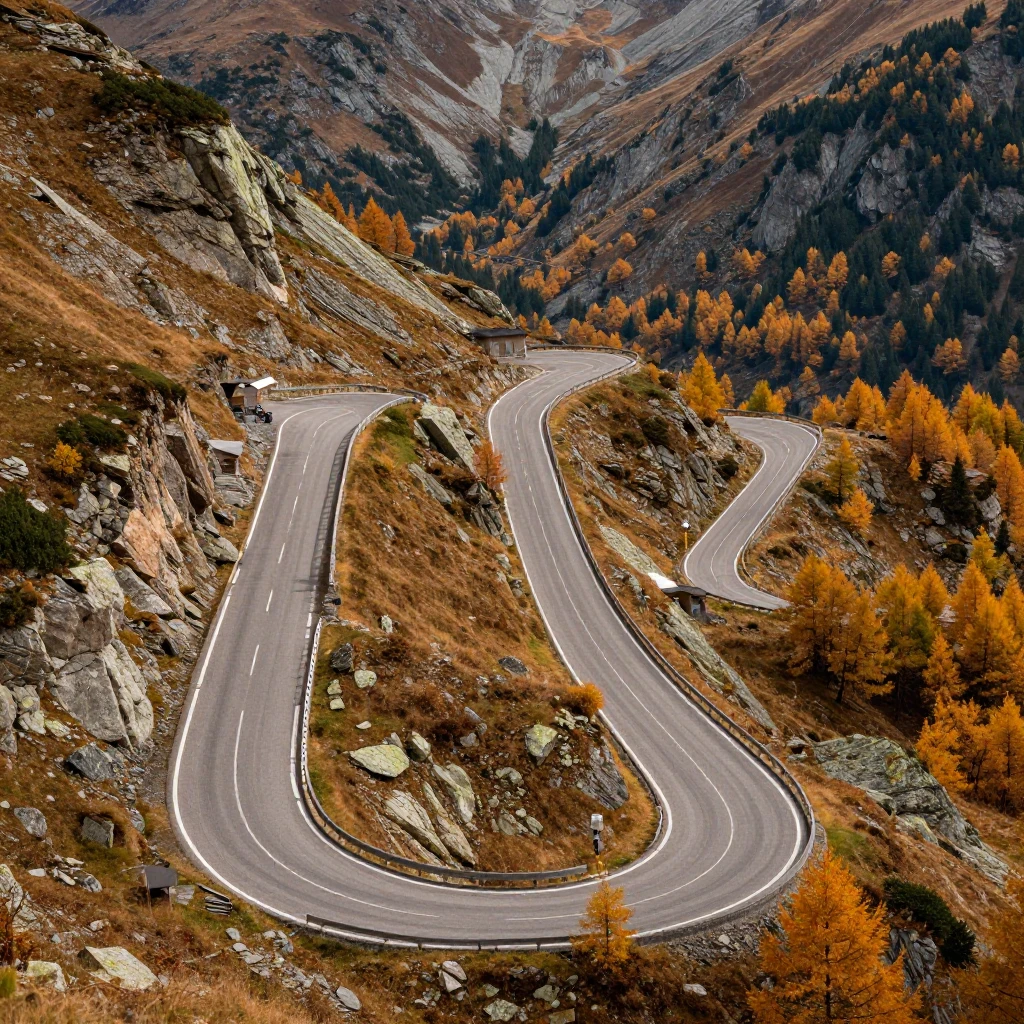
Nobody tells you this before your first Alpine trip: it isn't a Nürburgring lap. It's twenty-minute climbs in second and third gear. Hairpins tight enough to see your own rear bumper. Low kerbs, gravel verges where the tarmac just surrenders, and altitude that dulls everything, including you.
A car that flatters you at 180 km/h on the autostrada can be the wrong tool entirely at 2,000 metres.
So compare the options in one place rather than booking blind. The Supercar collection by Luxury Cars Torino is exactly that — a fleet that spans long-legged grand tourers and mid-engined machines side by side, so you're looking at real cars instead of brochure adjectives.
One warning, though. Between June and September availability tightens fast, and the specific car you've set your heart on may be gone if you leave it to May. I've watched that happen to people standing at a desk in Turin with a confirmation email in hand and a look of quiet grief.
The Bentley Case — Comfort at 2,000 Metres
A Continental GT is the connoisseur's pick for this trip, and it's not a compromise. The torque delivery means overtaking a camper van on a 12% climb is a squeeze and a thought rather than an event. There's boot space for two people's soft bags plus a jacket each. The ride absorbs broken mountain tarmac that would have a supercar wincing, and after four hours of transit you get out without needing to lie down.
Leaning that way? Book a specific specification rather than a generic category. Colour, interior trim, and critically whether you want the coupe or the GTC convertible.
Bentley rental in Turin gives you that granularity, and it matters: the GTC earns its keep on a sunny run over the Colle dell'Agnello, and turns into a genuine liability if an August hailstorm rolls over the ridge — which it does roughly whenever it feels like it.
The Supercar Case — When Drama Is the Point
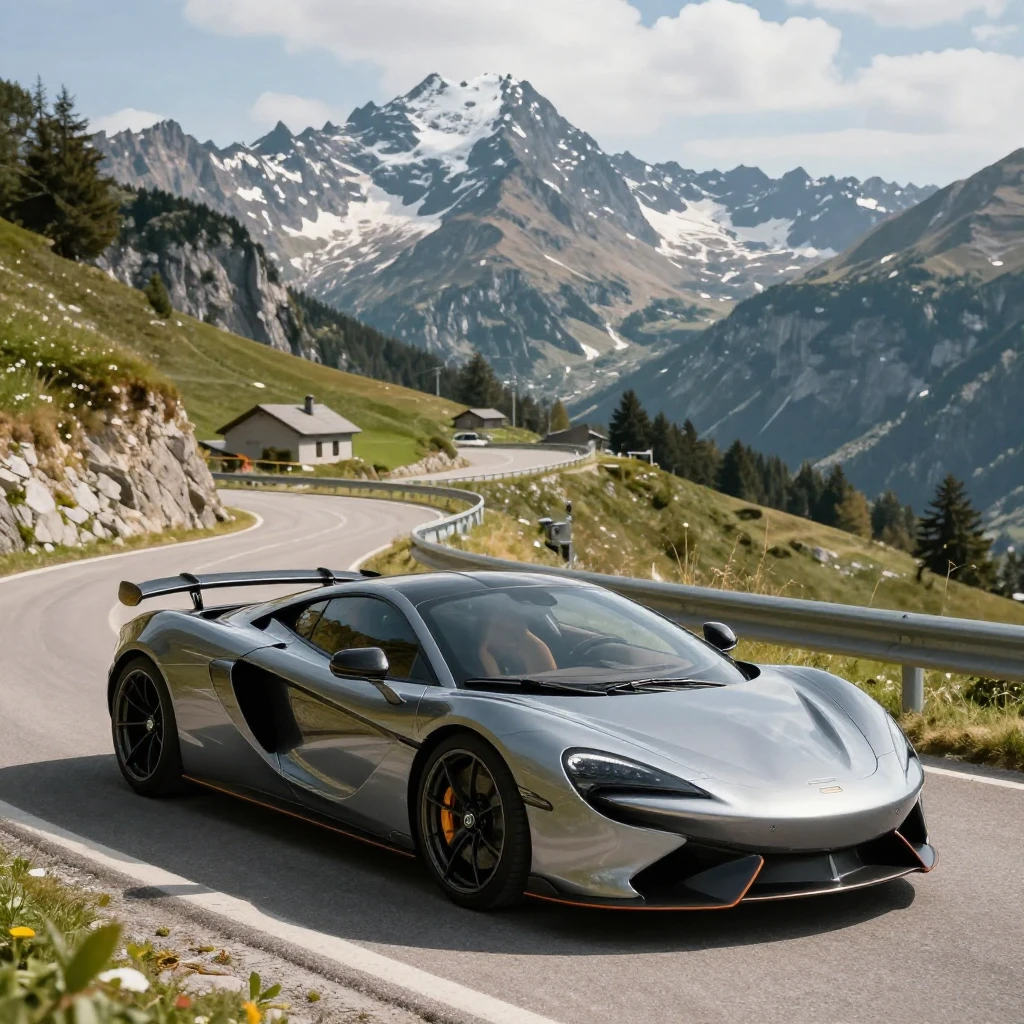
Counter-argument, and it's a fair one. A Huracán, a 720S or an F8 turns a pass into an event. That soundtrack bouncing off the tunnel walls above Susa is half the reason people book in the first place, and no Bentley will ever replicate it.
Be honest about the trade-offs, though. Ground clearance on steep hotel garage ramps. Luggage for two in a front boot that swallows one soft bag if you're lucky. Tyre temperatures on a cold 7am start at altitude, when the first ten minutes should be treated as a warm-up and not a stage. And the plain fact that 300 km of switchbacks in a stiff mid-engined car is genuinely tiring.
Which is why I'd point weekenders at sports cars for a weekend getaway — two- or three-day hires sized to a specific itinerary, rather than a week-long rental you'll spend half of parked.
The Weekend Route — Turin to the High Passes
Friday. Collect the car early afternoon, take an aperitivo in Piazza Vittorio while the traffic thins, then run north on the A32 to Susa (about 50 minutes) or push on to Bardonecchia (roughly 80). Sleep at altitude and you've bought yourself an extra hour of daylight on Saturday.
Saturday. The big day. Colle del Moncenisio first, then across towards Sestriere via the Colle del Nibbio, and a look at the Colle delle Finestre approach — noting that the upper Finestre is gravel, so leave it to the brave or the insured. If the weather's clean and you've started early, the Colle dell'Agnello is worth the detour. Second-highest paved pass in the Alps, and a road that feels built for exactly this kind of car.
Sunday. Two options. The Little St Bernard into France and back is the gentler, more scenic choice. The Gran San Bernardo tunnel into Switzerland and home via Aosta and the A5 is faster, and gives you a proper border-crossing story. Either way, allow 40% more time than the map suggests — a 45 km pass is rarely less than 75 minutes.
Fuel discipline matters. Refuel in the valleys on Saturday morning, because mountain stations keep short Sunday hours and the automated 24-hour pumps frequently reject foreign cards. Cash, or a card you know behaves abroad.
The Paperwork UK Drivers Get Wrong
Post-Brexit, the small print has changed. You'll need your UK photocard licence and your passport. An International Driving Permit is generally not required for Italy with a full UK licence in 2026, but regulations shift — check gov.uk in the week before you fly. If one is needed you can get it over the counter at a Post Office for a small fee, usually while you wait.
The credit card has to be in the lead renter's name, with enough headroom for the security deposit — often £2,500 to £5,000 on premium cars, blocked rather than charged. That's a hold, not a payment, but it still needs to exist on the card.
Excess-reduction cover bought at the desk is expensive, but so is the alternative. Most UK policies exclude rental cars abroad beyond third-party liability, so check your own cover before assuming you have any. Note also that Italian desks typically want the licence held for two to five years, and your Green Card is no longer needed for the EU.
Rules, Tolls and Local Etiquette
- Autostrada tolls: take a ticket on entry, pay on exit with card or coins. Telepass lanes are for subscribers only — joining one by mistake is a stressful five minutes.
- ZTL cameras: number-plate recognition, no leniency, fines that follow you home. Learn your hotel's access route before you drive it.
- Winter rules: snow chains or winter tyres are mandatory on marked Alpine roads from mid-November to mid-April, whatever the weather is doing that day.
- Speed cameras: frequent on the A32 and SS26, and Italian tolerance is narrower than UK drivers assume.
- Fuel: carry cash for automated pass pumps, and treat anything under a quarter tank as an emergency above 1,500 metres.
What a Weekend Actually Costs in 2026
Ballpark figures, because precise quotes move monthly. A Continental GT for a Friday-to-Monday hire sits in the low-to-mid four figures in high season. A mid-engined supercar runs meaningfully higher — sometimes double — and the deposit scales with it.
Budget for 600–800 km of mountain driving and expect 12–16 mpg on the passes, which is real money. Add €60–90 in tolls and tunnel fees depending on whether you dip into France or Switzerland. Two nights in Sestriere or Aosta ranges from a modest three-star to a proper Alpine hotel, and that's your call to make.
Total it up and the Bentley usually lands 30–40% cheaper than the supercar for the same itinerary. Whether the difference is worth it depends entirely on what you wanted from the weekend.
One pricing tip worth acting on: July and August carry a peak premium, and late September — still warm, still open, quieter roads — is both cheaper and arguably the better drive.
Frequently Asked Questions
Can you drive a supercar through the Fréjus tunnel? Yes. It's a normal toll tunnel with normal rules, and the sound is magnificent. Just keep to the speed limit — the enforcement inside is enthusiastic.
What's the minimum age to hire a Bentley in Italy? Typically 25, with a clean licence held for several years. Supercars often push that to 28 or 30, and young-driver surcharges can be steep.
Is a Continental GT practical in snow? With winter tyres, on cleared roads, yes — it's a heavy all-wheel-drive car and behaves sensibly. On an unploughed pass in a fresh fall, no, and neither is anything else.
What happens if I damage a wheel on a mountain road? Report it to the rental company immediately, photograph everything, and expect the excess to apply unless you bought reduction cover. Wheels and low-profile tyres are the single most common Alpine claim.
Can I take an Italian hire car into Switzerland and France? Usually yes, but you must declare it at booking and it may carry a cross-border fee. Undeclared border crossings can void your insurance entirely.
Do I need to book months ahead for a summer weekend? For a specific car in July or August, yes — three to four months is sensible. For late September you have more slack, but not unlimited.
The Only Decision That Matters
Back to that Friday afternoon. Keys in hand, mountains an hour north, and a simple choice between arriving somewhere refreshed and arriving exhilarated. Neither is wrong.
Book early for 2026, look at the fleet before your summer diary fills up, and build the itinerary around the car rather than forcing the car into a route it wasn't meant for. That's the bit people get backwards, and it's the bit that decides whether Sunday night feels like a holiday or a debrief.
And on the way home, take the A5 back into Turin as the light goes amber behind the peaks. Nobody has ever regretted the longer route back.